Project Overview
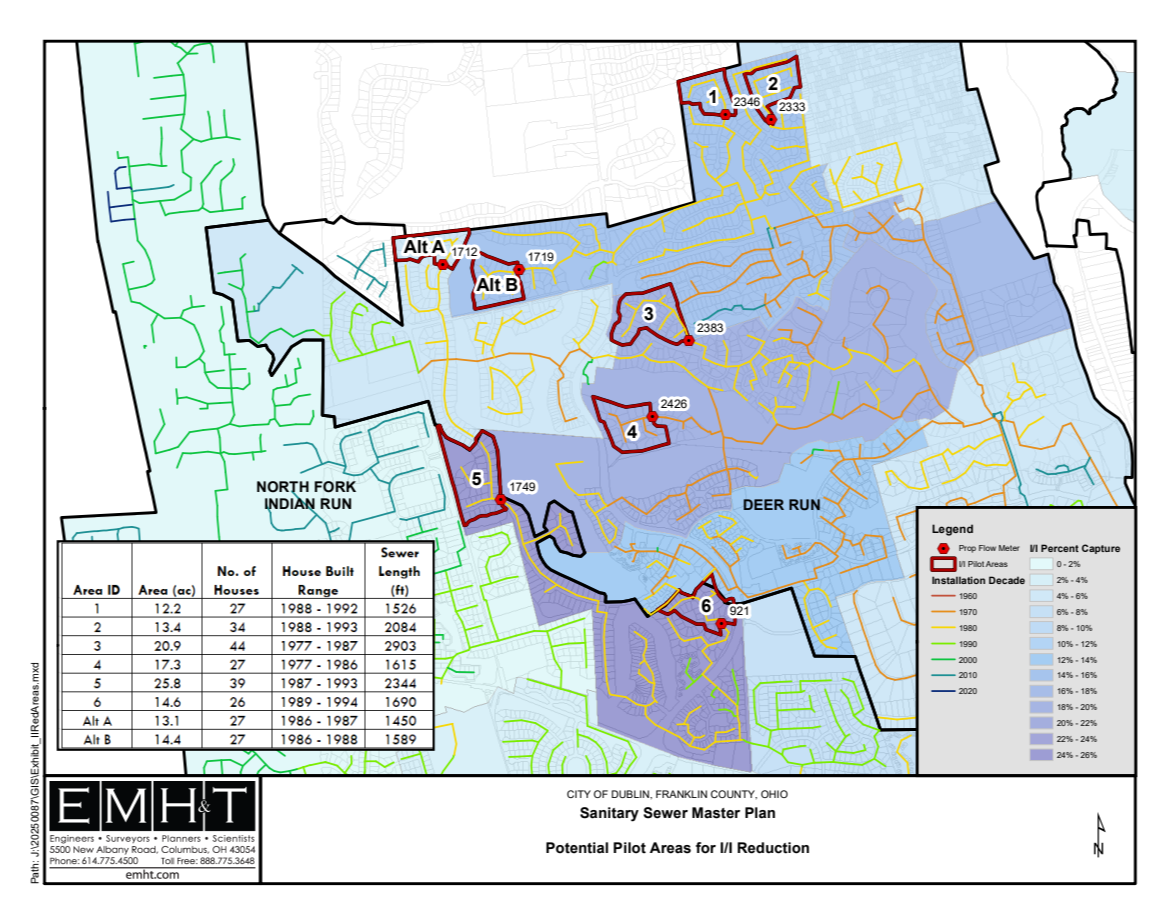
The City of Dublin is launching a pilot project to identify and implement measures that reduce inflow and infiltration (I&I) in the Deer Run sanitary sewer system. Inflow and infiltration occur when groundwater or stormwater enters sanitary sewer pipes through cracks, faulty connections or other defects, increasing the volume of water that the system must handle.
The project will evaluate various mitigation strategies within the Deer Run sanitary sewer shed and assess their effectiveness after construction. Findings from this pilot will help guide future efforts to improve the City’s sanitary sewer infrastructure and reduce the risk of sewer system overflows and water-in-basement events.
Planned Activities
To identify sources of inflow and infiltration and determine appropriate mitigation measures, the City may conduct:
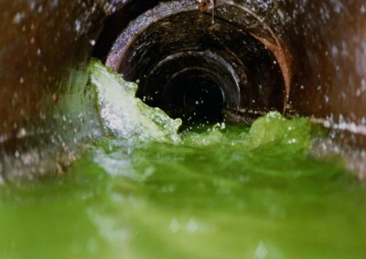
- Closed-circuit television (CCTV) inspections of sanitary sewer mains and laterals
- Dye testing
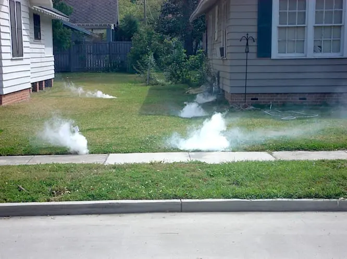
- Smoke testing
- General sanitary sewer inspections
Testing Update
Smoke Testing was completed during the week of Aug. 24. No smoke was observed at locations that would indicate sources of inflow and infiltration. The results helped rule out downspouts, sump pumps and foundation drains as contributing sources within the pilot area.
The City also completed wet-weather closed-circuit television (CCTV) inspections of public sanitary sewers and private service laterals. These inspections identified a notable amount of water entering the sanitary sewer system during wet weather. The findings are helping the City determine where the water may be entering the system and evaluate potential mitigation measures.
As a next step, the City is working with EMH&T to identify locations where public storm sewers cross sanitary sewers within the pilot area. Non-toxic dye testing is planned at select locations to further investigate potential sources of inflow and infiltration.
The City will continue to update residents as additional testing is scheduled and results become available.
Potential construction improvements may include:
- Sanitary sewer lateral lining
- Sewer grouting
- Disconnecting downspouts and sump pumps from the sanitary sewer system, if such connections are found during inspections
These activities will help determine which mitigation measures are most effective in reducing excess water entering the sanitary sewer collection system.
Why This Project Matters
Reducing inflow and infiltration can improve system reliability and help prevent sanitary sewer overflows and basement backups during wet-weather events. The pilot project will also support the City’s ongoing efforts to meet requirements established through the Ohio Environmental Protection Agency’s Director’s Final Findings and Orders.
Schedule
Detailed design, property acquisitions (if needed) and construction is anticipated in 2026
What Residents Can Expect
As project activities begin, residents in the pilot areas may see City crews or contractors conducting inspections and testing within the sewer system. Resident notification letters and door hangers will be sent in advance to impacted residents.
Questions?
Please reach out to Thomas Fuqua, Civil Engineer I – Utilities | 614.410.4400 | TFuqua@dublin.oh.us
Review Frequently Asked Questions.
Read the Resident Notification Letter.